What to Read?
This is meant to be a resource for astrology enthusiasts as well as my clients, as I find myself recommending certain books repeatedly. At this point, this is also my book fan blog. I plan to add a discussion board at some point, because Astrology needs more forums that aren’t just reddit or skyscript!
Traditional Astrology Books
Hellenistic Astrology, The Roots
The philosophical foundation of astrology is actually much older than Hellenism, even being demonstrably influential to the Timaeus by Plato, that work which underlies every last bit of western spiritual and philosophical thought. The Greeks famously looked to the East and enjoyed the philosophy of the Egyptians and the “Chaldeans”. At the end of the day, this is a Babylonian tradition that likely dates back to Sumer’s Inanna(Venus) worship or earlier, but the Hellenistic tradition is the oldest that we have existent writings for.
These people were much more spiritually sophisticated than modern people and also had some specific ideas about physics, optics, and gender. So it’s best to read some introductory works to be prepared for how they speak of these things, along with their specific worldviews and jargon. While Stoicism is important, I believe Platonism ( including “Neo” Platonism) is actually more integral to Astrology’s metaphysics. Of course, Aristotelianism has the obvious claim to the early understandings of how astrology works even through the renaissance, but at the end of the day that’s just a framework. The “Spirit of the Law” comes from Plato.
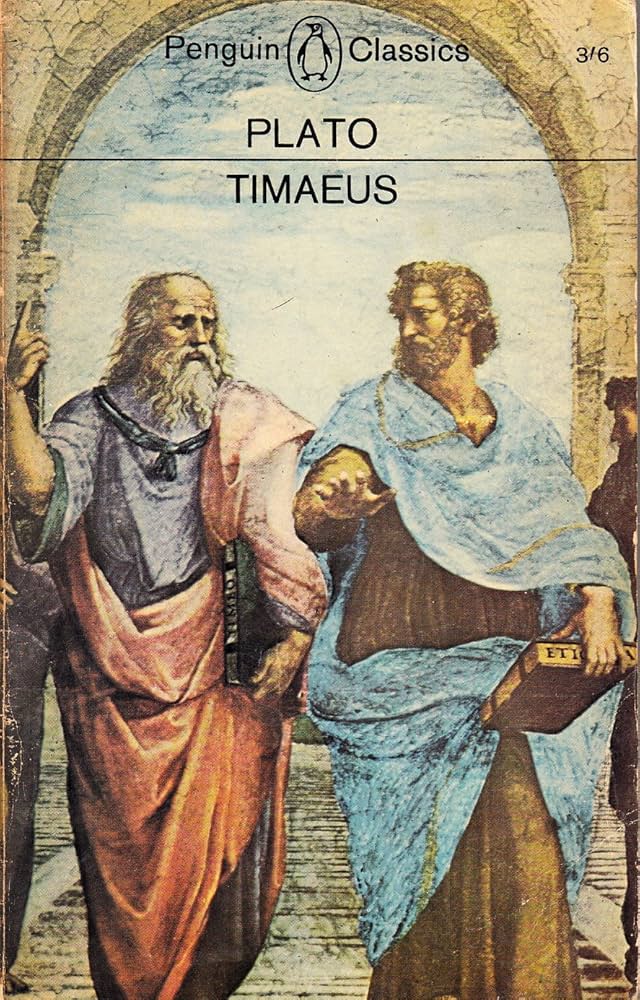
So the most foundational book to read is actually the Timaeus by Plato. There is no “West” without this book, though it is distinctly more “eastern” in flavor than we might expect. That is because Plato is an orphic, a mystical practices that originated in Thracian shamanic religion. The Orphics practiced offerings to the planetary gods and even today we use their hymns to petition the astrological planets for their assistance in matters concerning our fates. This is a book with many layers, like scripture, you will understand some things and not understand others. Be patient with not knowing everything at first! otherwise you will always know nothing. Hell, listen to it at work or driving around like I had to at one point.
Notably, this list is missing some important authors, Rhetorius of Egypt – the last classical astrologer, Paulus Alexandrinus, and of course the venerable Claudius Ptolemy’s Tetrabiblos. All of these works have heavily influenced me in reaching a more nuanced understanding of Hellenistic Astrology and are highly recommended despite not being on the list.
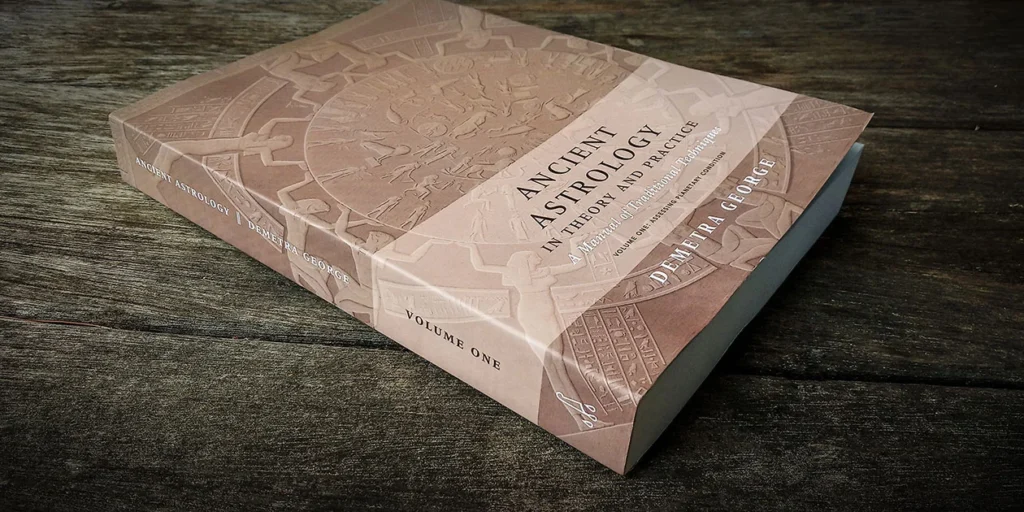
Ancient Astrology in theory and practice volumes 1 & 2 by Demetra George
There isn’t a better breakdown of what the planetary conditions and dignities actually mean in practice anywhere else. Questions like, what does being triplicity lord even mean, etc, are all answered in this truly definitive offering by one of our greatest astrologers. This was crucial in developing a practical understanding of how traditional astrology works for me.
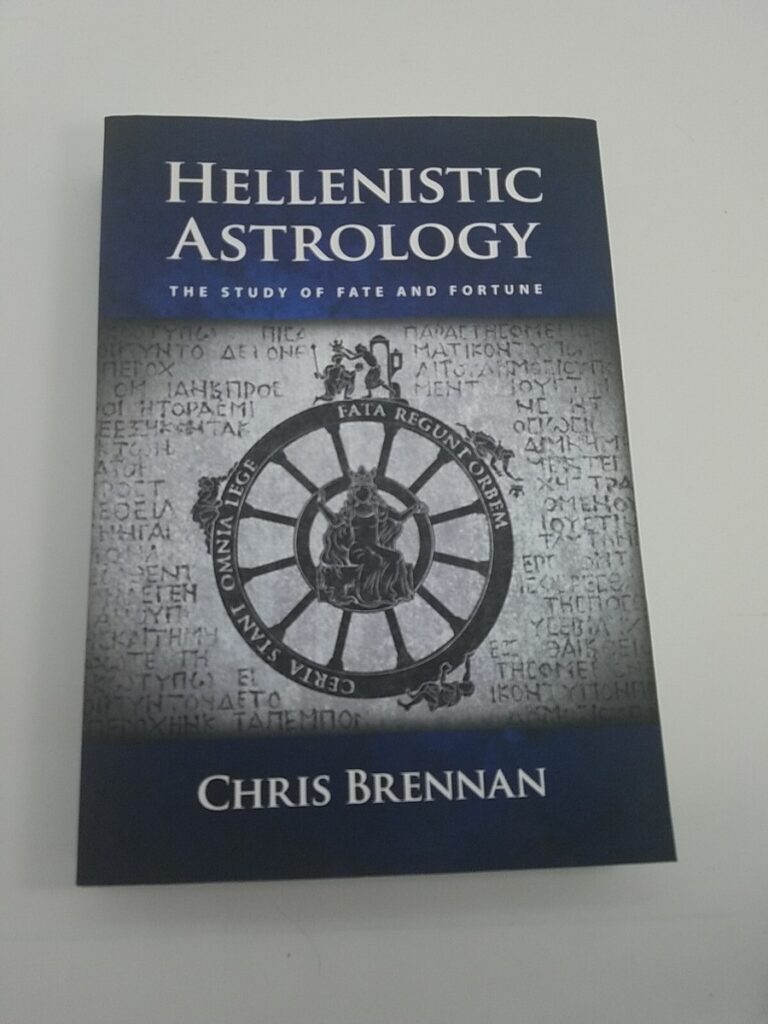
Hellenistic Astrology by Chris Brennan
It’s pretty hard to overstate how important this book is for learning how to approach and understand ancient astrological texts. This book beautifully breaks down the stoic, platonic, and asritstotelian underpinnings of how the four-fold astrological system of horoscopic charts was constructed.
After reading this book you are well prepared to begin your own personal readings of ancient sources firsthand. This book started it all for me!
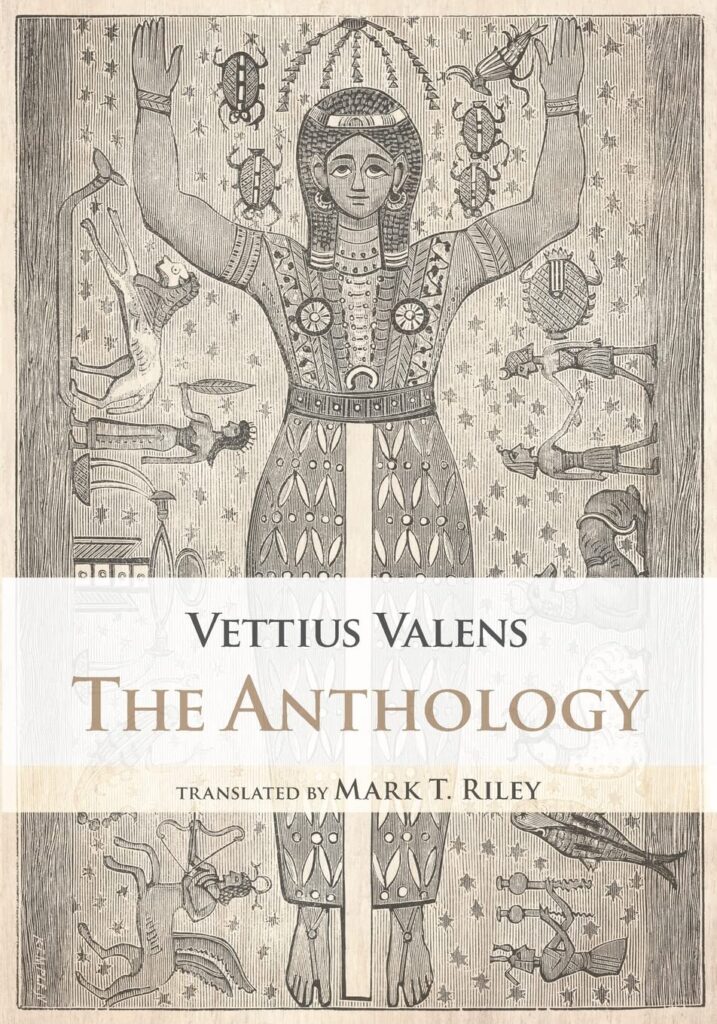
Vettius Valens Anthology translated by Mark T Riley
I think all astrologers interested in the Hellenistic tradition agree on the importance of Valens, who is a bit easier to read in translation that others.
He immediately shows the core spirituality present in ancient astrology along with a creativity in approaching the chart that puts modern approaches to shame for their conventionality.
This should likely be the first ancient text that you read.
Carmen or Carmen Astrologicum by Dorotheus
This book is what survived of the Hellenistic tradition into medieval times, and most Hellenistic astrologers swear by it. There is a certain practicality to it and it makes good sense of timing techniques.
Even if you’ve only read works after the renaissance, they were heavily influenced by this book.
Mathesis by Firmicus Maternis, translated by Benjamin Dykes
One of my favorite and unintentionally hilarious ancient authors, being of the unbelievably powerful roman upper class in the early 200s. He is quite philosophical, and his extensive examples are fascinating from a historical point of view as well, for instance the famous roman tyrant Sulla is a frequent example.
The language is poetic and beautiful at times, and the exploration of what astrology truly is, is well worth your time. I adore this book. It does not leave my desk.
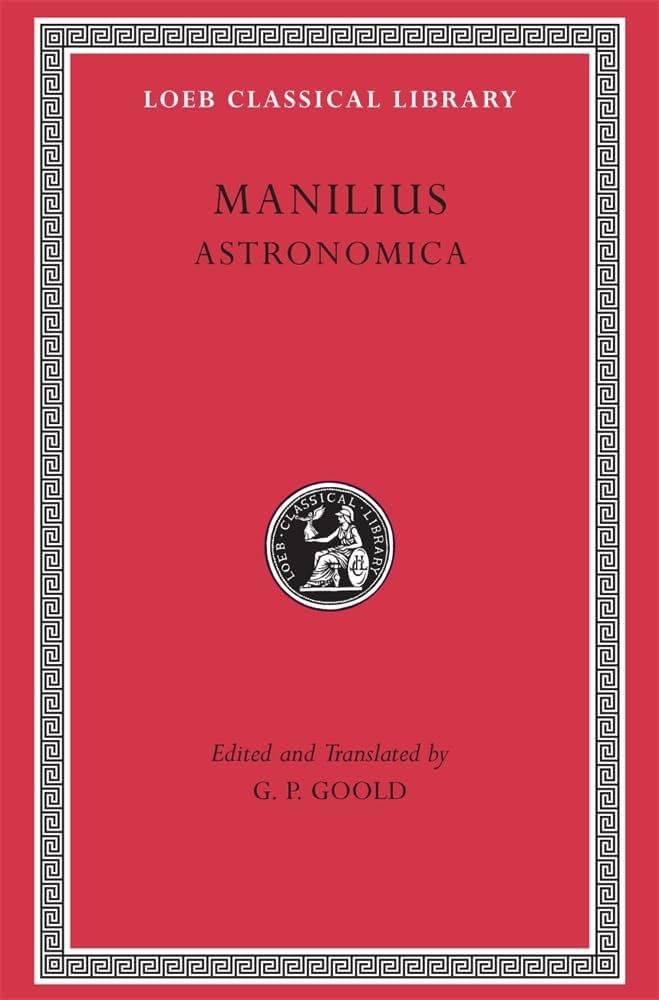
Astronomica by Manilius
This is the oldest book on the list, dating back to the 50s AD. Famously this work is a long poem, full of beautiful and flowery metaphors, showing that humans have always felt fascinated by the analogy the zodiacal signs make to reality.
To me, it helps remind me that “pop astrology” has always been a thing, and people have always been quite opinionated about the behavior of each sign. There’s something comforting in knowing that we are more similar than different to our more ancient predecessors.
Apotelesmatics 1 and 2 Hephastio of Thebes
This book rounds out some of the edges of the Hellenistic tradition, and provides a fascinating analysis of birthmarks that will appear based on which degrees the rising sign occupy. It is stern and practical in nature.
Persian and Arabic Astrology
During the European “dark ages” the Islamic world had its golden age, and they were some of the most technically advanced and impressive predictive astrologers in the entire tradition. My favorite technique, Directed profections, comes from the venerable Umar Al-Tabari, a critical figure in preserving Astrology and passing it down through the tumultuous 700s; he played his own part in history with helping elect the foundational chart of Baghdad among other things.
In practice this branch of astrology is the closest thing we have in the tropical zodiac system to something like Jyotish or Vedic astrology. We even find the western version of the nakshatras in this tradition – the Arabic Lunar mansions which are essential to astrological magic operations, along with a supreme emphasis on time lords, which are called Dashas in the Vedic system. Thus, I tend to prefer the timing techniques for this system and have yet to find a more comprehensive or accurate system in astrology. In general I am mainly focused on using the predictive techniques from this branch.
Due to my Scorpio stellium and abiding love of complexity this is my favored period of the tradition. There is an occasional poetic bent to the Arabic works which I adore.
There are many more works to get into here, no list is complete without Sahl Ibn Bashr and Masha Allah! But these are my core recommendations for learning the timing techniques and how to apply them.
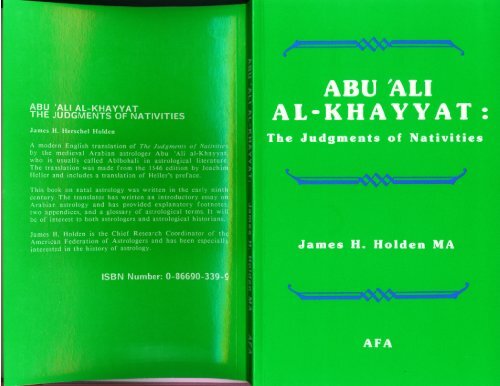
The judgements of the Nativities by Abu Ali Khayat
This is actually a great short introduction to the medieval system and a bit shorter and easeier than read than other entry points. I think this was one of the earlier Arabic translations to hit the market, and it was my first foray into medieval Arabic astrology.
The author is a bit opinionated, which I usually like. The signs are talked about in a unique way, he calls Gemini’s just straight up malicious if I remember right! That being said, this book has a great and simple breakdown of how triplicity lords are used and is a good introduction to using triplicity lords and lots.
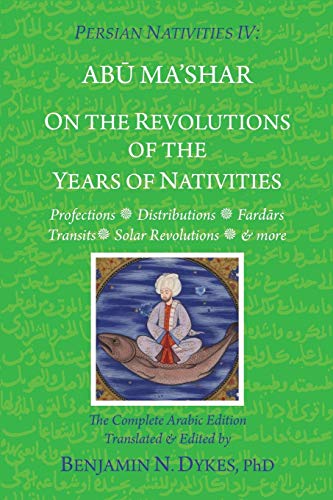
On the Revolutions of the Years of The nativities – Abu Mashar trans. by Benjamin Dykes
This was the beginning of cracking out my timing system. This is THE solar return book, and every astrologer should read this. I have read Mary Shea’s book, other books about Solar returns, the technique fascinated me but it was always like trying to draw water from a stone because the modern teachers are like kids playing lego’s thinking they’ve built a computer, they are incapable and it is immediately obvious.
THIS is how you read a solar return chart. Competent traditional astrologers can read this book and back-test it in their lives and others’; then they will have gained the power to predict the future, God willing.
One thing I like about Abu Mashar is the moral big picture. He famously reproaches his students for trying to find everyone’s time of death etc, he wants us to stop and ask how can we make astrology actually helpful and make sense in God’s plan?
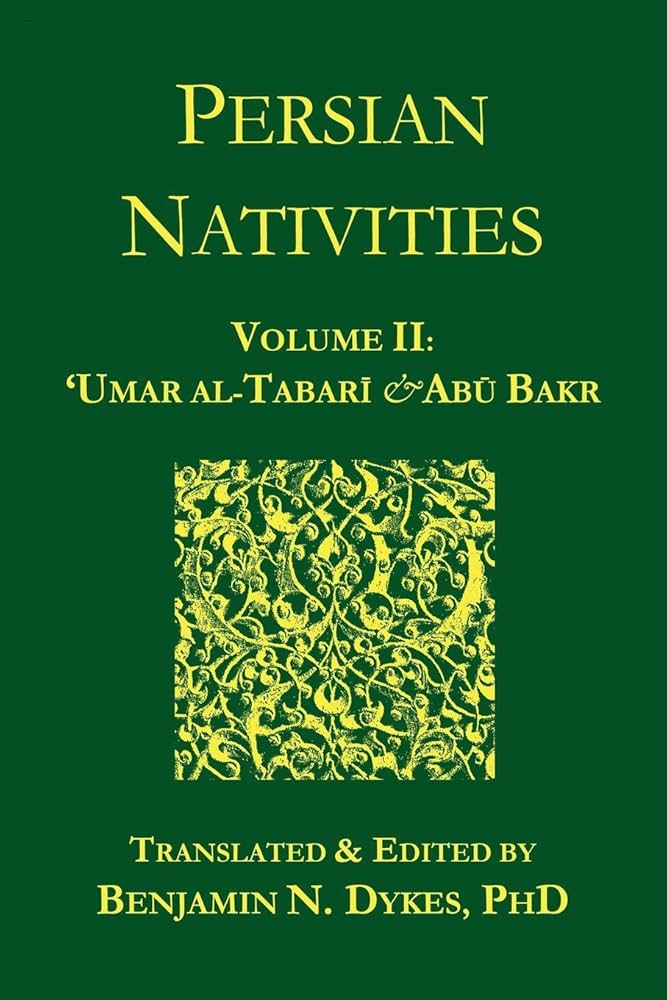
Three Books on Nativities
Umar Al- Tabari / Omar of Tiberias Trans Benjamin Dykes
This is my favorite little book right now! This is the closer to the original translation of the Arabic manuscripts, but I first read this as the project hindsight book published in the 90s based on the Latin translations, where the author is given the Latinized “Omar of Tiberias” as his name. Umar was a 700s Persian astrology who stood at the very edge of the complete collapse of the Hellenistic tradition ( thanks to Justinian for closing down the western academies!) and the beginning of a flourishing Arabic tradition. His techniques straddle both worlds and show remarkable creativity. If you want to get GOOD at predicting for others, read this book.
I originally came to this book looking for information on finding an Almuten, or chief signifier, of pregnancy for a client, which then led me into a little known timing technique that I have recovered and made my own, called Directed Profections which I spend a lot of time breaking down in my Sylvia Plath video.
Umar speaks as a clear and easily understood master of the tradition, not since Valens have I read an ancient text and thought “oh this must just be EASY for this guy!”. He uses techniques that are somewhat of a more “horary” style and tends to employ house cups and Almutens often.
Reading this book is what took me to the next level in understanding exactly which planet is doing what in a chart and how to then focus in on that planet and see how it predicts events for a native.
European Medieval Astrology
This is admittedly where my reading list will show some of its weakness. The sheer quantity of the works produced in the era, roughly 1200 – 1700 in this list, is mind boggling. There is so much to explore and many authors I can’t wait to check out, but that’s the beauty of Astrology. This is a field for those who never want to stop learning and studying, because the scholarship is infinite and diverse.
The chief difference between earlier works and this era is the switch from wholesign houses, or using both wholesign and quadrant houses like Umar, over to mostly quadrant houses. It seems that at times, by sign aspects between planets were still considered however. The other major difference is the introduction of a strict “points” system, though this was already present in Umar’s works in the 700s and is how I determine the Almuten of any given degree in the chart in order to determine what signifies a topic, such as pregnancy, finances, investments, what have you.
The star of the show here is really the 1400s born Marsilio Ficino, whose works I have only begun reading but has already deeply impressed me. He famously translated the works of Plato for the Medici family, arguably playing a big role in the humanist movement that would spark the European renaissance and lead to the modern world. What I love about his work is how he understood astrology as a wholly encompassing thing. He uses astrology for many lifestyle recommendations, understanding the hermetic foundations of astrology as a system of correspondences – those who are of a saturnian chart should avoid cold and melancholy for instance and balance the nature of Saturn with a more warm and moist nature that can bring expansion and healthy, genuine investment into relationships. This plays out in many levels in his works, some of my favorite recommendations are which scales and modes of music to play for different natures. For instance, saturnian types, uplifting and stabilizing mixolydian is recommended as it should help dispel the melancholy nature.
As you can see, the application of astrology really reached its zenith here and that’s why this area of astrology usually keeps us coming back for more constantly. I’ve included Culpeper’s medical works here because that’s my next area of study, many people suffer illnesses untreatable or diagnosable by modern standards that may be treatable by traditional methods based on astrological medicine is my idea. There’s other things here too, for instance I haven’t introduced the humors system that underlies medieval thoughts around health and astrology but it is essential to understanding the overarching worldview of these authors and their recommendations.
Overall, this was the era when astrologers won battles and secured thrones for kings through well timed election charts, and when the interpretation of horary charts decided outcomes entire nations. While the modern academy does everything it can to hide the true history of this period by pointing us away from primary sources, they do us all a disservice to hide the influence of astrology in this period, this era was perhaps the zenith of the art and its influence in human affairs! However, I do believe humanity is moving beyond materialism and thus astrology can renew its proper place as a guiding light for the human race as a whole; in my eyes, the practice and study of astrology has yet to reach it’s true potential.
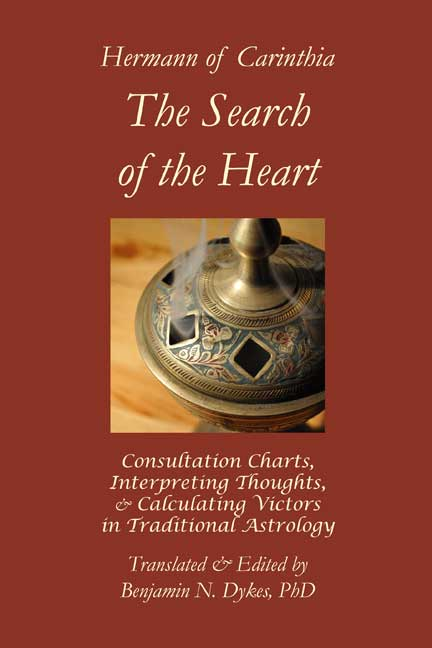
The Search of the Heart Hermann of Carinthia Trans. by Benjamin Dykes
A fun and short read, relatively speaking. This is such an interesting work because it revolves around horary astrology, but what makes it unique is the detailed treatment on how to cast a chart that will show you what an incoming client has on their mind, especially as concerns the imminent reading. It also is a very early work being around the 1200s in Northern Italy (Carinthia is a bit between there and modern Austria) so it has the novelty of standing between the Arabic and European periods in this list.
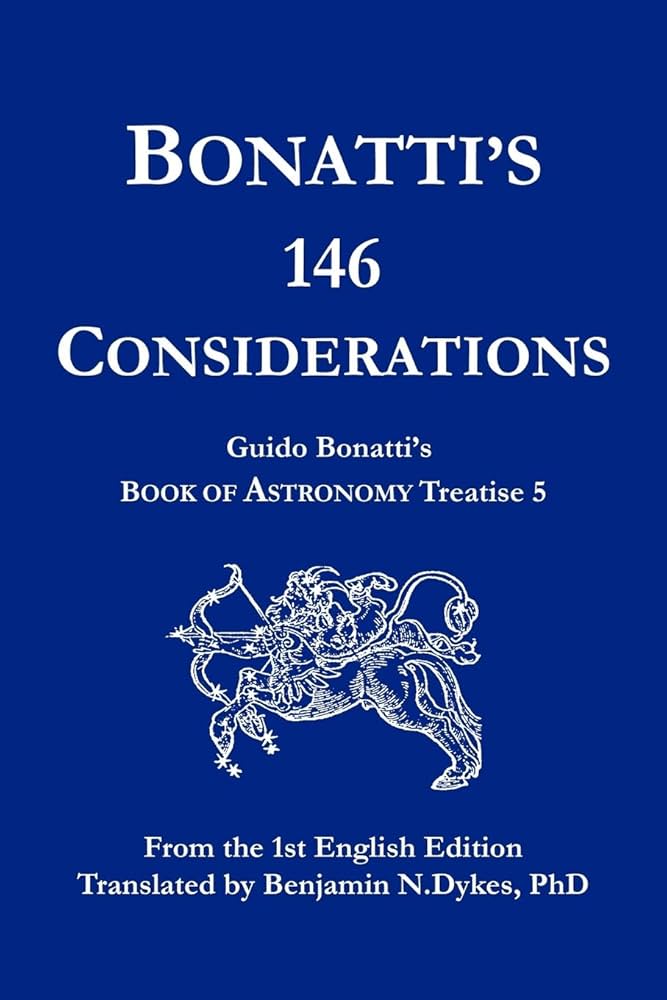
Book of Astronomy by Guido Bonatti trans. by Benjamin Dykes
Also from the 13tth century. This 1600 page tome has been split up into smaller, more manageable books based on their topics by the translator. Bonatti is a towering figure in astrology’s influence upon political affairs, helping kings to win battles and change countries, famously earning his place in Dante’s inferno. This is a complete treatment of astrology and while it can be a bit black and white, the end result is a clear cut understanding of how to see the outcome of any given chart. In particular, his teachings on horary and mundane astrology are still valuable reading for new students to those fields of the art.
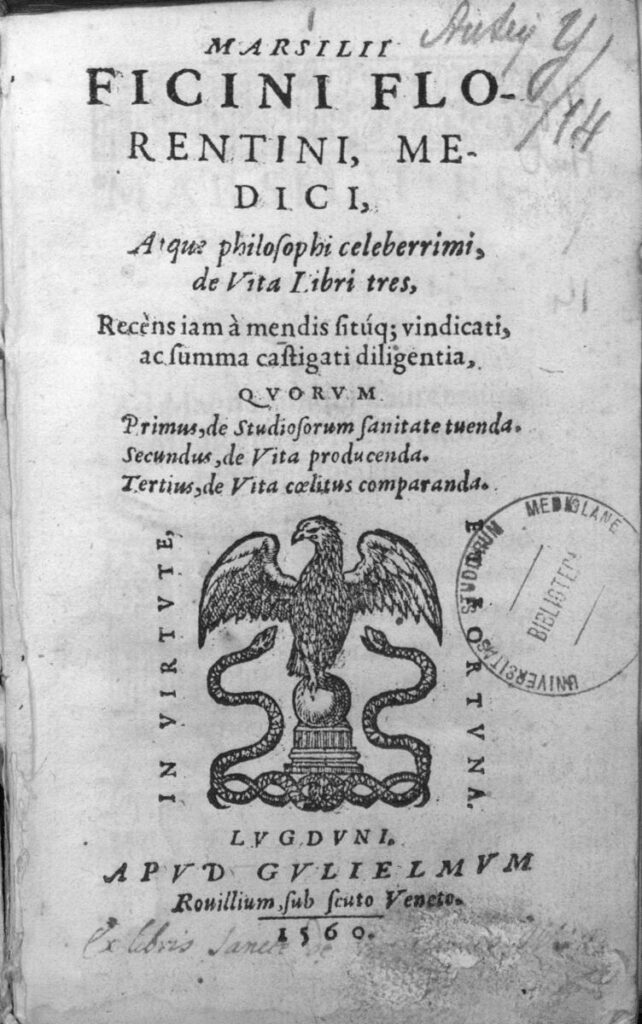
Three Books on Life and Platonic Theology by Marsilio Ficino
I covered a brief biography in the paragraph above on why this man is a critical figure in world history. His writings help show why! While at times employing scholarly language of the time, the meaning is often clear and much more creative in application than many traditionalist would ever admit. Make no mistake, both of these books are about astrology. Because they are dense and the fact that I read ten books at the same time, I am still in the middle of both of these books myself, but even just beginning them helped to cultivate my wisdom. Three Books on Life concerns many practical applications of astrology as a means of medicine, though I myself will not be taking any of his strange potions! Platonic Theology is an exploration of the true metaphysics of reality, and as much as I do (and don’t!) understand it, it would be my offering to the question, “How does Astrology work?”.
This man was ahead of his time, we are just now catching up to him in our understanding of how to apply astrology to our lives and even at that slowly. He was an Aquarius ascendant with Saturn rising, speaking to the enduring, forward thinking wisdom he offered to us.
We are skipping so many amazing works it makes me want to hurl honestly! This era offers the traditional astrologer endless exploration, and hopefully as I continue with my own studies I will add some more works to this.
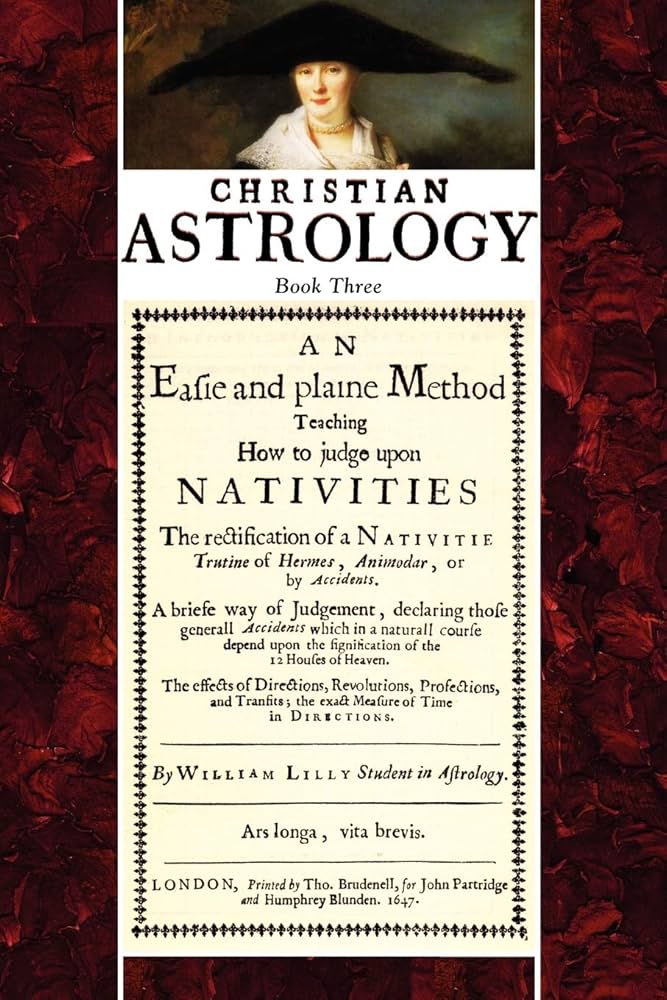
Christian Astrology by William Lily
What else would you expect? Published in 1647, this is one of the most important books in any traditional astrologer’s library. It is required reading for Horary students and beautifully explains many of the nuances of natal astrology as well. Lily can be both forthright and eloquent at the same time, which I appreciate. He was a working astrologer and his skill and practical wisdom shine through every teaching in his volumes. I can’t begin to list how many different foundational concepts, like an understanding of the sign Taurus or an example of how the nodes affect the ascendant for example, are made more clear when you read this book. I still go back to it on a regular basis, because here is a man whose trade depended on the successful practice of this art and in a language close to our own at that! (Please read a translation!)
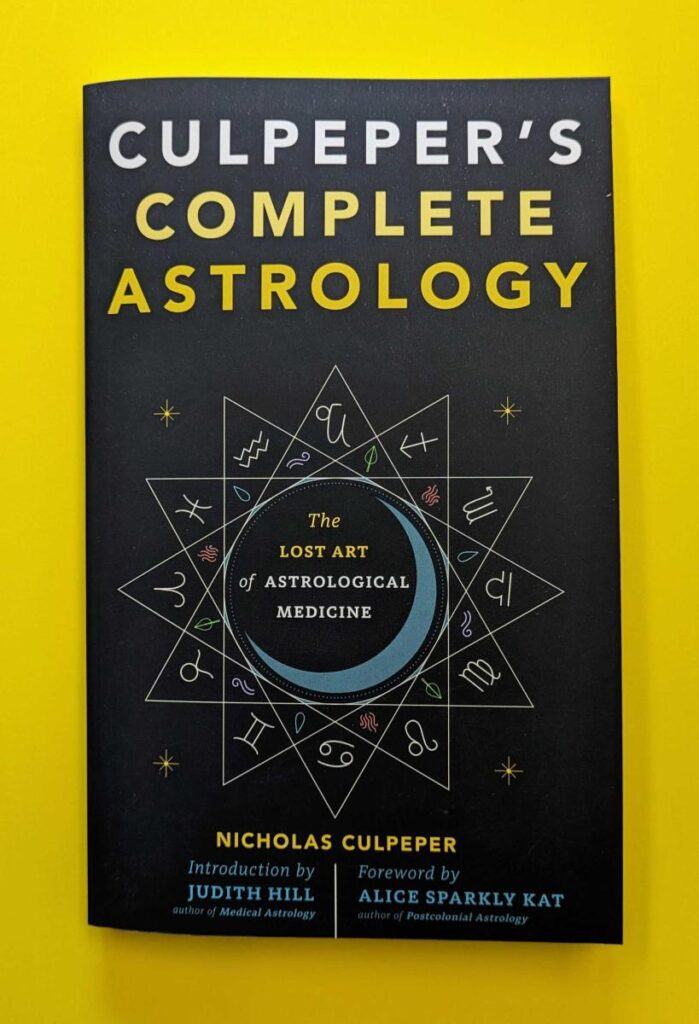
Culpeper’s Complete Herbal by Nicolas Culpeper
I have just ordered a nice modernized version (which you can see an image of on the right) of this for myself so this not as much a review as it is an inclusion for its importance. The original 1653 work is “Culpeper’s Complete Herbal” and it is an encyclopedic work on how to treat a staggering array of illnesses through astrological correspondences. It represents a peak in medical astrology in both knowledge and application. While I am alive today because of modern “western” medicine, this is a type of “western” medicine that could help many today that are difficult to help with modern methods.
Good Modern Astrology Books
Four modern Astrology authors standout to me for the the sheer usefulness of their contributions. I do not read many modern astrology books though I plan to fix that actually, as I think it’s time we begin growing the field and integrating what we’ve learned from the finally translated ancient sources. Still, even if you would rather skip all my traditional recommendations, anyone can tell you these are all crucial books in growing from intermediate to expert.
The Astrological Houses by Dane Rudhyar
This book is wonderful for opening up the psychological content of each of the houses. How does a 6th house sun affect the psychological outlook of someone for instance, and how might they still find sucess with such an archetype present in their life? I love Dane Rudhyar for a lot of things, but this is the one book i’d force every astrologer to read if I could, including my fellow traditionalists. This is a fantastic book to round out your traditional understanding of the houses with a proper comprehension of how placements manifest internally.
Aspects in Astrology by Sue Tompkins
I found this book very helpful in rounding out my traditional studies. It helps to look at each individual type of aspect between the major planets from different perspectives. I also found that this book really helps grow the ability to expand your metaphorical understanding of what say, a Sun – Jupiter aspect, might feel like/manifest as for a client. It adds to your vocabulary as a consultant, at the end of the day, it’s your job to make sense of “Astrologese” to normal people, and this book was very helpful in that area for me.
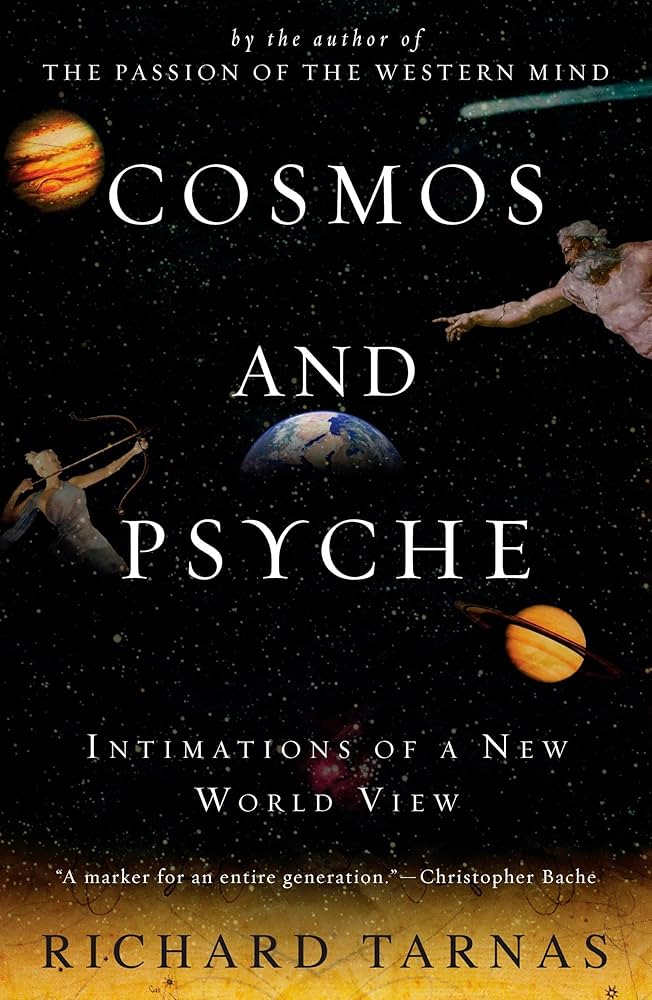
Cosmos and Psyche by Richard Tarnas
One of my favorites on the list, and a book that unites Astrologers across diverse backgrounds in our mutual respect for the insight contained within. I don’t consider any astrologer fully initiated unless they have read this definitive work. This is what brought my astrological journey from a predictive, outcome focused thing into a conversation with the cosmos itself.
Richard Tarnas is an accomplished academic and gives astrology the intelligent defense it deserves. I challenge ANY skeptic to read this book in good faith and come back without some undeniable proof of the planetary cycles.
As a lover of history, ( my original education path), the historical look at the planetary cycles is a paradigm shifting proof of astrology. I do believe this is the turning point in my growth as an astrologer, where I truly comprehended that absolutely all of existence fits into the omens the stars. I particularly loved the analysis of how culture changes through time and what the different aspects between planets trigger. Astrologers will continue to refer to this book and it’s findings for decades, if not longer, to come.
Planets in Transit by Robert Hand
This book was a companion to many astrologers at the beginning of their studies, and is worth revisiting by any astrologer who stands at a later place in their journey. Robert Hand is of course one of the masters of our time, and this book easily illustrates how transits work and what the effects that one can expect are from them. It’s an excellent way to jump straight into the mechanics of astrology, and still holds up after thousands of hours poring over older texts. Because of it’s commonality, this is one of the books that unites astrologers of many practices together.

What if I’m an absolute beginner??
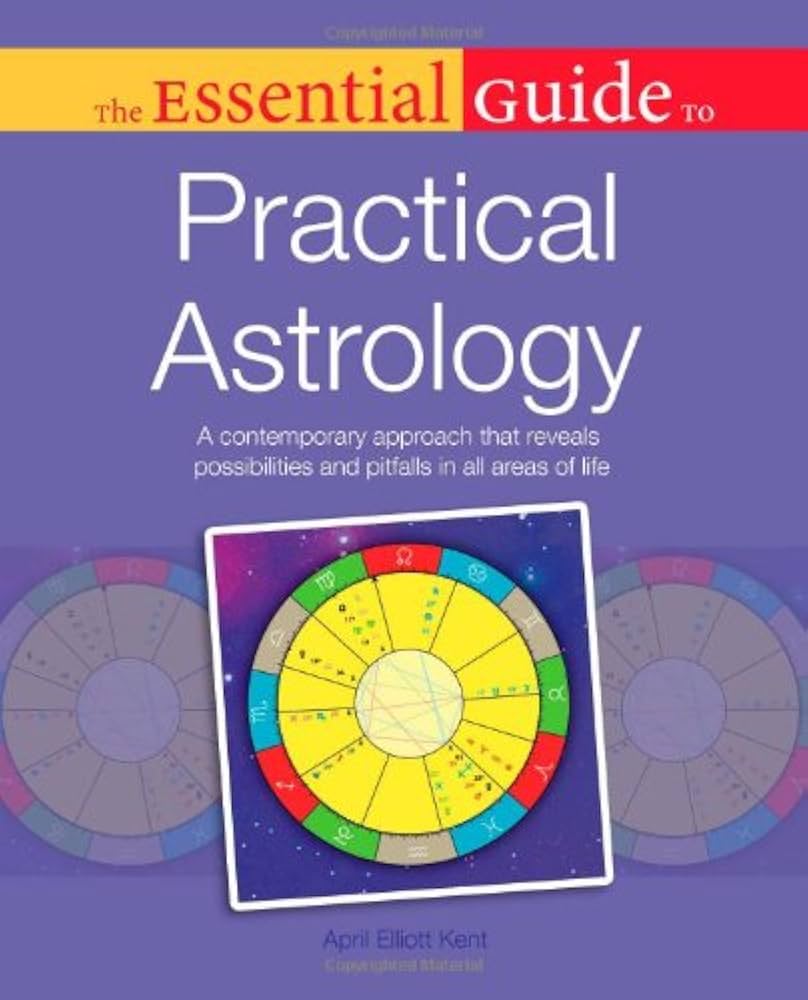
The Essential Guide to Practical Astrology by April Kent
Believe it or not! I feel strange recommending such a book and it comes with significant reservations on my part.
First, this is a good book for what it is and I am glad I started with it. It helps quickly understand all the archetypes at play in each facet of the chart and how it works together, it gives great examples and the author makes good efforts at showing what a thing in the chart actually does. The example of Drew Barrymore as the primary chart is also well chosen and entertaining. Because you are just stating out, it is better to get a general overview like this and THEN begin the journey into traditional astrology. Though I have significant caveats, this book is overall great.
MY caveats: the language is a bit tired and 2005 at times but it’s held in check enough to not ruin the book. On the other hand, it’s a neat time-capsule to look into the mindset of those times when Pluto was in Sagittarius!
My main problem though is of course the modern shortcomings that don’t belong in any serious astrologer’s technique. The book lists Uranus, Neptune, and Pluto as rulers of signs. this is NOT true and can be demonstrated. I am an Aquarius rising, with Pisces moon and chart ruler, and 5 planets in Scorpio (the real ruler of Scorpio, Mars, is in the 7th house of client work!) If anyone would know through personal experience whether or not the outer planets ruled these signs, it would be me. So you will have to understand that even though this book is good, it is wrong about this fact and that Scorpio is actually ruled by Mars, Aquarius by Saturn, and Pisces by Jupiter.
The next, less crucial, thing is that that it teaches that a sign = a house, so Taurus = 2nd house. this is unhelpful and should be ignored. Why on earth would we have signs and houses if they’re just the same thing? Ultimately, this approach would hold your understanding back and keep it shallow, and should be ignored. If you ever want to become a consulting astrologer, your understanding f the houses is everything for client work, and it must grow beyond the elementary understanding presented in this book.
Esoterica
I find myself recommending books on sporitual development and techniques to my clients quite often, as my readings tend to have a remedial focus. Sometimes this is about mediation, other times, actual magic and petitions to the stars.
The Core purpose of including this list though is to encourage astrologers to embrace the hermetic tradition that astrology comes from. Astrology is hands on stuff, and we are meant to practice the art of astrological correspondences now that we know the true nature of reality. Living well is a symbolic act that requires numerous, ever evolving rituals in order to sustain its growth and vitality.
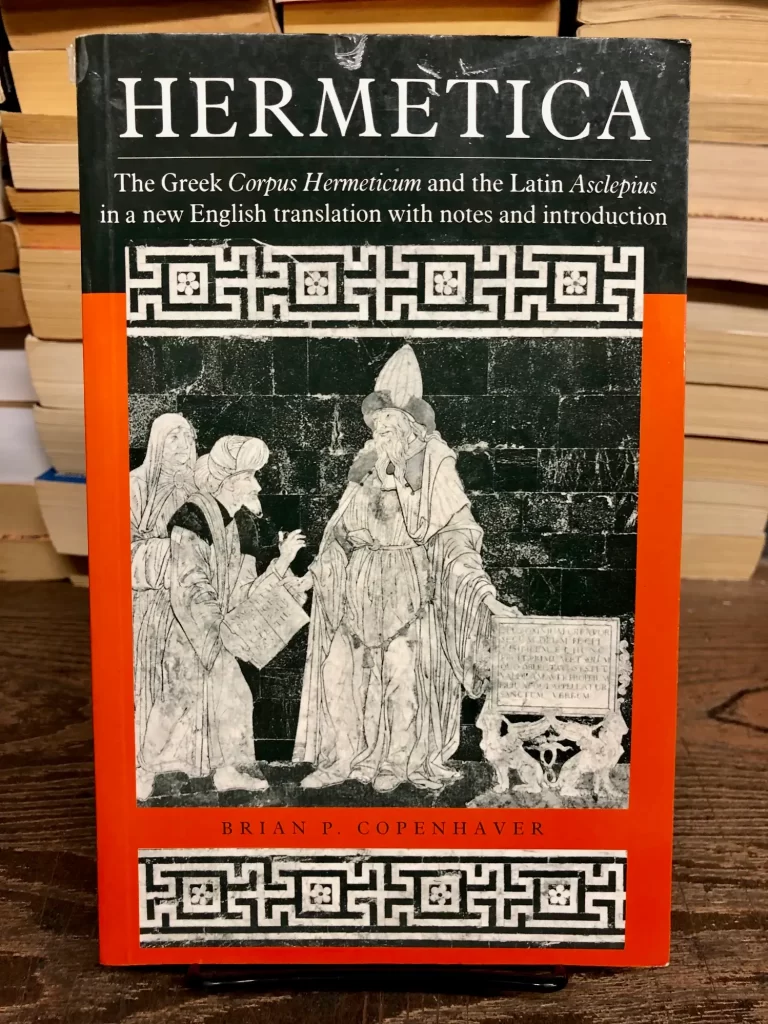
The Corpus Hermeticum, Copenhaver translation
To put it simply, this is my bible. I will skip the histroy lesson but suffice to say that astrology was always considerd a “technical hermetic art”, a part of a greater hemrmetic tradition which enjoyed the collective knowledge and skills of the priests of the mediterranean. Hermetics syncretized and then evolved pagan hellenisitc and egyptian strains with monotheistic christian and judaic strains of practice. The following recommendation, the Greek MAgical papyri, demonstrates what this looked like with primary sources (some of which include spells I still cast today.)
This is a transcendent path that does not shy away from love of Earth, the Cosmos, our older sibling. For some strange reason, loving both the spirit and the body is rare among religions.
I still find it hard to put my true thoughts about this work to words, so I will let one of the few prayers found within do the rest:
Holy is god, the father of all.
Holy is god, whose counsel is done by his own powers.
Holy is god, who wishes to be known and is known by his own people.
Holy are you, who by the word have constituted all things that are.
Holy are you, whom all nature was born as image.
Holy are you, of whom nature has not produced a like figure.
Holy are you, who surpass every excellence.
Holy are you, stronger than every power.
Holy are you, mightier than praises.
You whom we address in silence, the unspeakable, the unsayable,
Accept pure speech offerings from a heart and soul that reach up to you.
Grant my request not to fail in the knowledge that befits our essence.
Give me power, and with it I shall enlighten those who are in ignorance, brothers of my race but your sons.
Thus I believe and I bear witness; I advance to life and light.
Blessed are you, father. He who is your man wishes to be as holy as you are holy since you have provided him all authority.
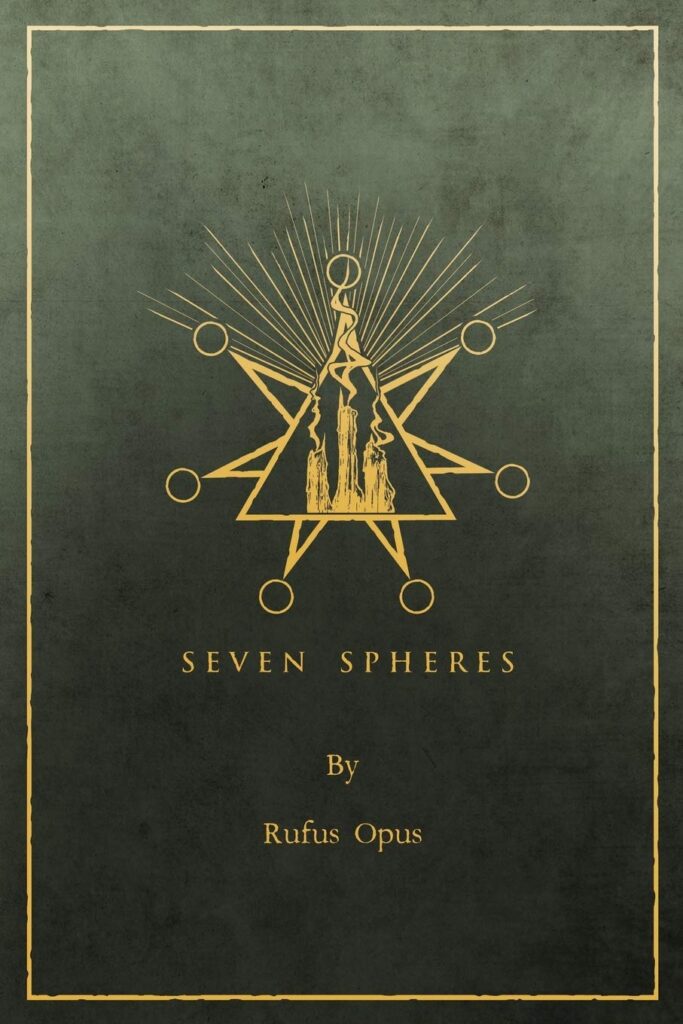
Seven Spheres by Rufus Opus
This is how you should begin practicing astrological magic, or devotion to the planets, which is truly devotion to God.